Listening: An AI software engineer
Topical
Image Credit
Watch this video and discuss it with your teacher.
Watch this video and discuss it with your teacher.

On July 1, 2024, Greece introduced a six-day workweek to reduce labour shortages and eradicate unpaid overtime. This law applies to industrial facilities and 24/7 services but it excludes tourism and food services.
While Greece sees this as a positive step, employee relations experts around Europe argue that the long working hours and inadequate rest will affect work-life balance and productivity. This decision is also quite a surprise because other European countries want to implement shorter workweeks.

Photographer Miles Astray submitted a human-made image "Flamingone" in an AI competition and won. Unfortunately when the organizers realized his photo was not AI generated, they disqualified him. Astray wanted to highlight the importance of questioning the authenticity of photos, videos and audios.
Following his disqualification, Astray had this to say, "I couldn’t live the life I’m living without technology, so I don’t demonise it, but I think its often a double-edged sword with the potential to do both good and harm.
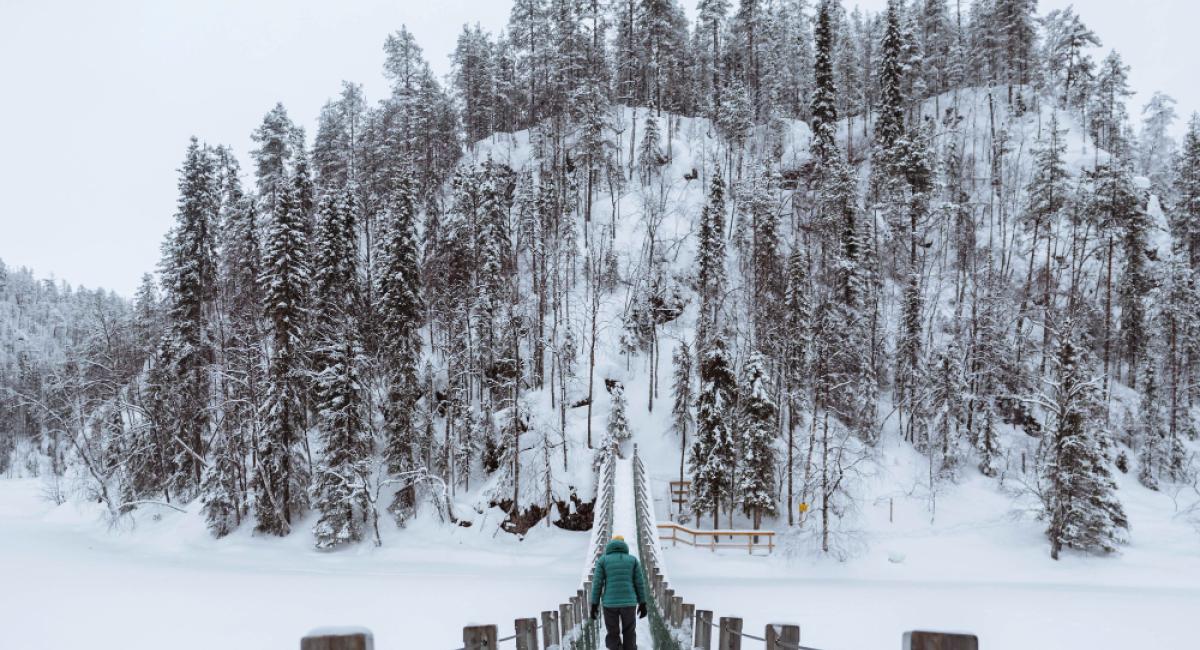
Finland is known as the world's happiest country. The country has a unique work culture which makes going to work enjoyable! Framery, a Finnish manufacturing company is one of the many companies that builds this work culture by making these five phrases a part of their daily work ethic:

Moshitora, a Japanese word that had slipped into the background has re-emerged as Donald Trump returns to the campaign trail. The word moshitora which means "what if Trump", was first used during the 2016 election. It reflects Japan's concerns about the implications of a potential second Trump term for US-Japan relations.

The story that had taken many twists and turns since March finally came to an end as Ippei Mizuhara, Shohei Ohtani's former interpreter, pleaded guilty to bank and tax fraud. He admitted that he stole nearly $17 million from the baseball star to cover illegal gambling debts.
Mizuhara also confessed that he evaded tax of more than $1million in 2022. He is yet to be sentenced, but it's said that he is likely to spend about 30 years in prison for bank fraud, and additional time for tax fraud.

Meta, Facebook and Instagram’s parent company plans on using public Instagram and Facebook posts to train AI from June 26. This includes posts, photos, and captions, but not private messages. The company will notify users in the UK and EU, making it possible for them to opt out by completing a form.

Imagine the possibility of running across the whole continent of Africa! Well, Russell Cook, known as "Hardest Geezer," proved that this is very possible by running the entire length of Africa. Even though he completed his race, he faced many challenges which include an armed robbery, visa issues and injuries.
He was determined to complete this run because he had struggled with mental health, gambling, and drinking. By taking on this challenge, he was able to make a positive impact by raising almost $1 million for charity.

Record ocean temperatures show that the seas are warming faster than expected, with significant impacts globally. Oceans absorb over 90% of the heat trapped by greenhouse gases, and since March 2023, daily global ocean surface temperatures have set new records. February 2024 saw a full year of 1.5℃ surface air temperature warming.

A "boomerang employee" is someone who leaves a company, often at a high level like a CEO, only to return to the same company later on in a similar leadership position. It's like throwing a boomerang: they leave, but they come back.
Some examples of boomerang CEOs include:

The article explores the idea that science fiction doesn't always have to portray dystopian futures. It highlights authors who are crafting narratives that offer hope and optimism, challenging the prevailing trend of bleak visions of the future. By examining works of science fiction that focus on utopian or more balanced depictions of society, the article suggests that these stories can inspire readers to imagine alternative futures and explore the possibilities of human potential.
The article mentions several examples of hopeful stories in science fiction:
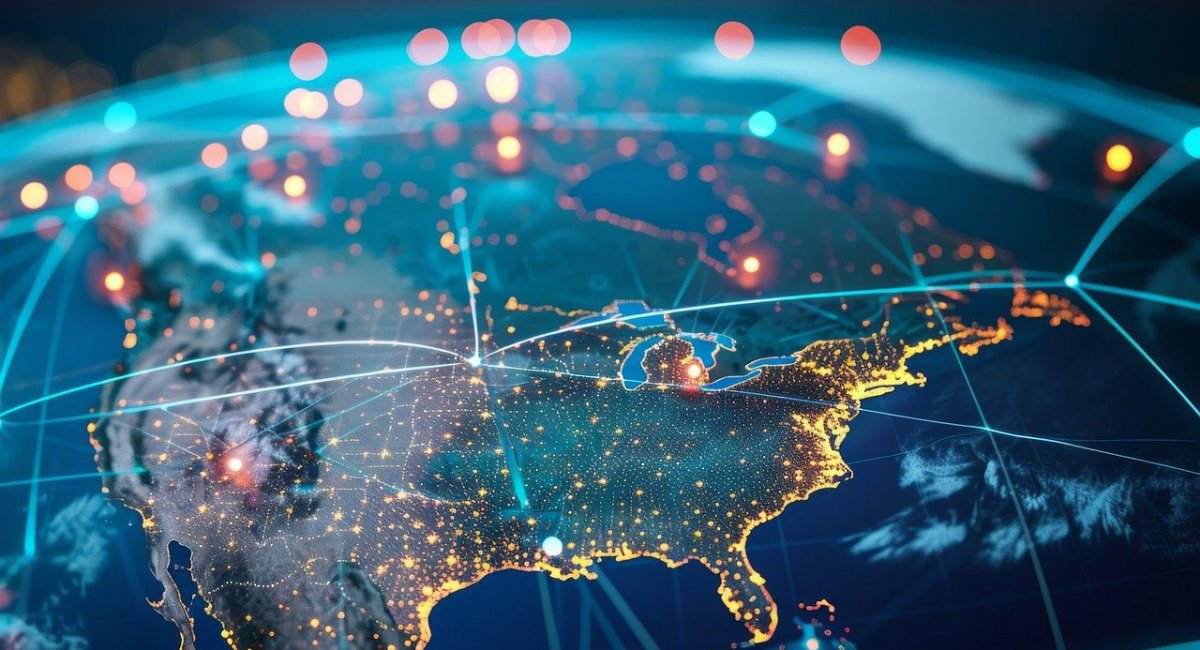
The article discusses how the production of AI chips could have significant geopolitical implications. These chips, which serve as the backbone of AI technology, are primarily manufactured in a few key countries like the United States and China. However, as AI becomes increasingly integral to various industries, other nations may seek to establish their own chip-making capabilities.

Over the past week, the Northern Lights, or Aurora Borealis, have been visible in unusual locations across Europe and North America. These celestial lights are often limited to northern most territories and high-latitude regions. However, a massive G5 level geomagnetic storm event in space made it possible for the lights to be seen farther south. The Southern Lights, similar to the Northern Lights, were also seen in New Zealand due to its location near the southern pole.
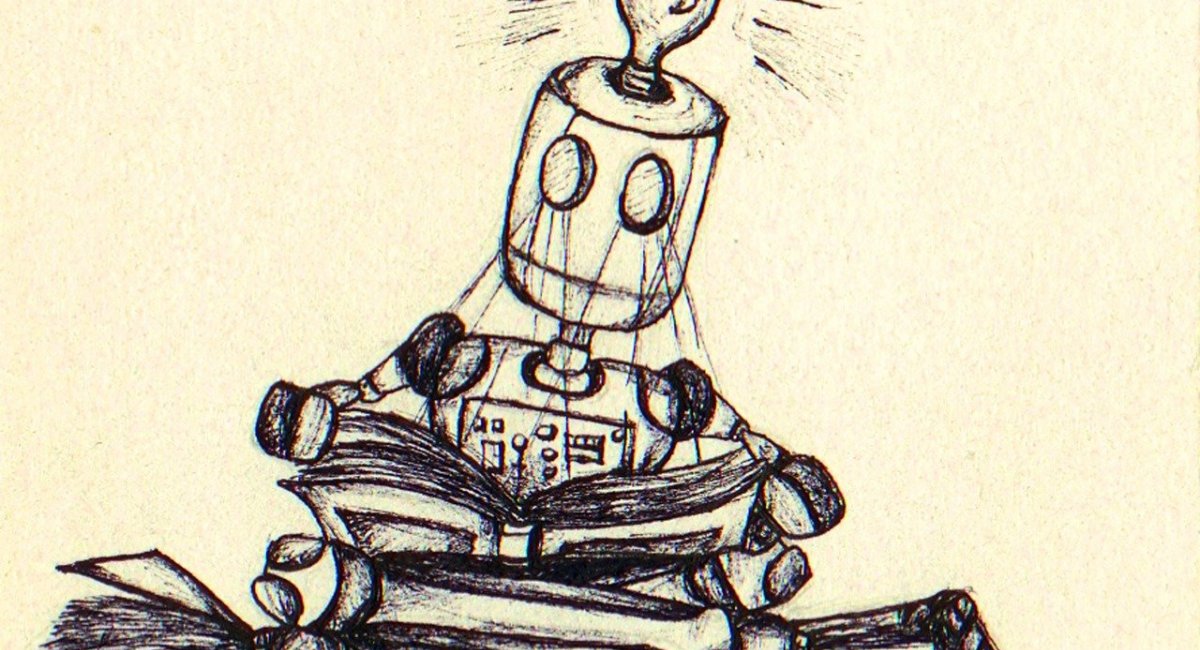
The article "Developing AI: Like Raising Kids?" draws parallels between nurturing artificial intelligence (AI) systems and raising children. It emphasizes the importance of early experiences, feedback, and the interplay between nature and nurture in both processes. Just as children learn from their environment, AI algorithms require diverse and representative data for robust development.
The article explores the potential impact of artificial intelligence (AI) on the consulting industry, particularly focusing on whether AI could replace traditional consulting firms like McKinsey & Company. It discusses the rise of AI-driven platforms and tools that offer data analysis, problem-solving, and decision-making capabilities comparable to those of human consultants.

Japanese people often apologize to maintain harmony, regardless of fault. This is seen as a way of improving the atmosphere and maintaining relationships, not an admission of guilt. In contrast, Westerners often seek to identify the cause of a problem first. This can be seen as making excuses in Japanese culture.
When working with the Japanese it's advised to apologize first, then propose a solution or workaround, and finally, discuss who was at fault. The person in the wrong also has to explain what steps they have taken to prevent a recurrence.

Watch the short and discuss it with your teacher.

OpenAI’s chatbot offers paraphrases, whereas Google offers quotes. Which do we prefer?
The article explores the capabilities and limitations of ChatGPT, an AI language model developed by OpenAI, particularly in its ability to understand and generate human-like text. It discusses how ChatGPT is trained on vast amounts of text data from the internet, enabling it to mimic human conversation and provide contextually relevant responses.

Food experts predict that food trends will be shaped by a desire for authenticity, environmental protection, and exciting flavors. They also believe that global flavors will be a big trend, with chefs creating dishes that reflect their diverse backgrounds. Asian ingredients, like black sesame and ube, will become more popular as people will start to appreciate the unique qualities of different Asian cuisines.

Artificial intelligence (AI) consumes a significant amount of energy, especially deep learning models, and in a few years it is expected that energy use will double. This energy consumption is due to the increasing demand for AI across various industries, which contributes to carbon emissions.